
Dolores Huerta, Rest In Power
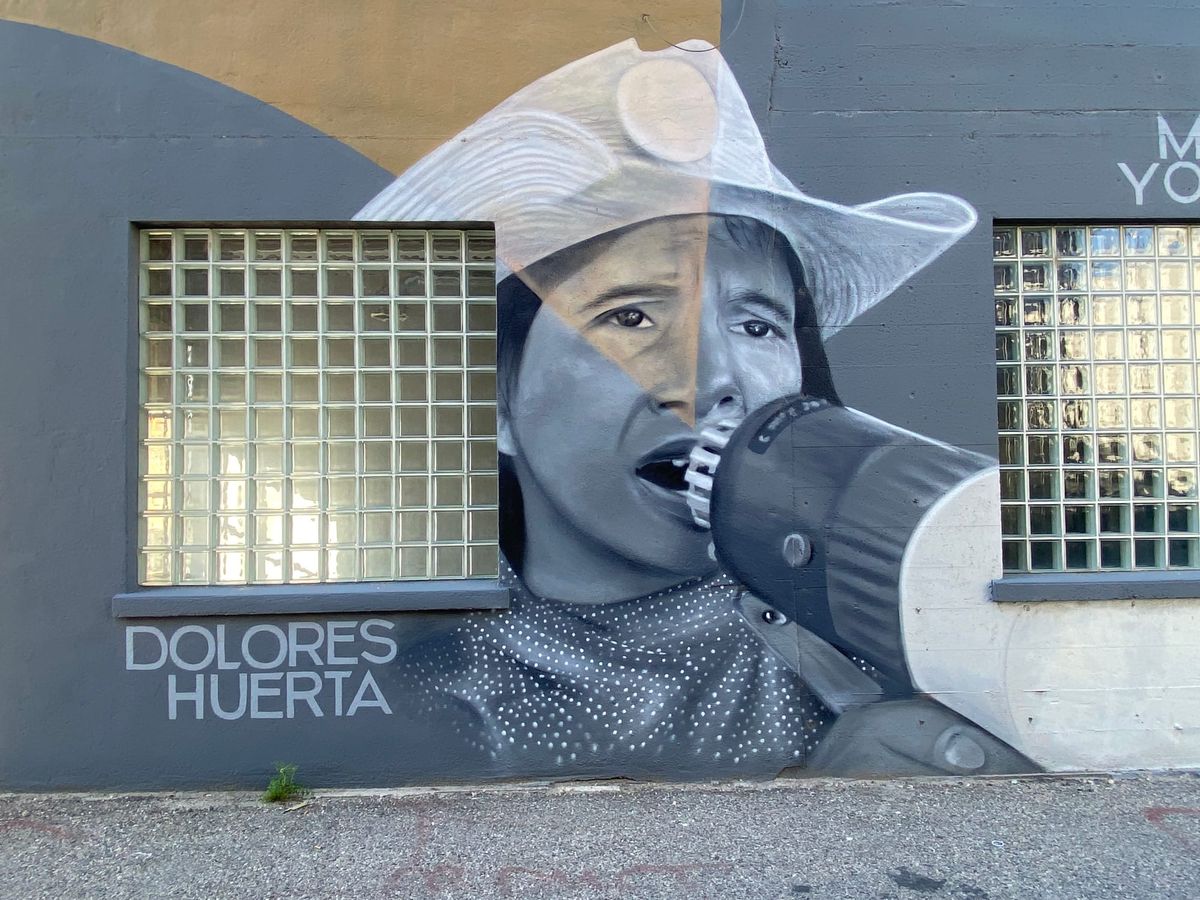
First Dolly, and now Dolores – what a double D of a depressing year it has been. Is there an emoji for the wind being knocked out of your lungs?
By Dolores, I mean Dolores Huerta, who passed away yesterday at 96 years of age.
While most everybody knows Dolly, not as many – especially outside the Latino community – are familiar with Dolores and her remarkable lifetime of clawing and fighting and sacrificing and putting her life physically and otherwise on the line for human rights.
That’s why I’ll focus on how Dolores came to be honored with a mural here on Inspiration Alley in Boise, rather than a recounting of her remarkable life, which you can read about in this New York Times obituary. (I love the video header of Dolores speaking at a 2017 women’s march in Utah, snow falling on her as she chants the words to a motto she made famous.)
Just Another Anglo
I’m embarrassed to say I first learned about Dolores when I was in my early 60s – just another male Anglo-American who was familiar with Cesar Chavez, as he received the lion’s share of publicity as the leader of the United Farm Workers (UFW) and became an icon during the Delano grape strike and boycott of 1965.
But I had no clue who Dolores was or how significant her contributions as co-founder of the UFW were to the cause, which by many reckonings were far weightier than Chavez’s. I can see female readers nodding their heads over this – not an unusual situation whereby the woman does the work, and the man gets the acclaim. No news there, right?
I first learned about Dolores Huerta when I was leading a project to select a name for a new downtown park here in Boise, now called Cherie Buckner-Webb Park. During the process, one of the stakeholders group put forth Dolores as a candidate for the name of the park. I’m embarrassed to say that I had no clue who she was.
So, I decided to learn more about her, and what I came to understand and admire was her courage and life-long commitment to a civil rights, organized labor, women's liberation, and non-violent methods of protest.
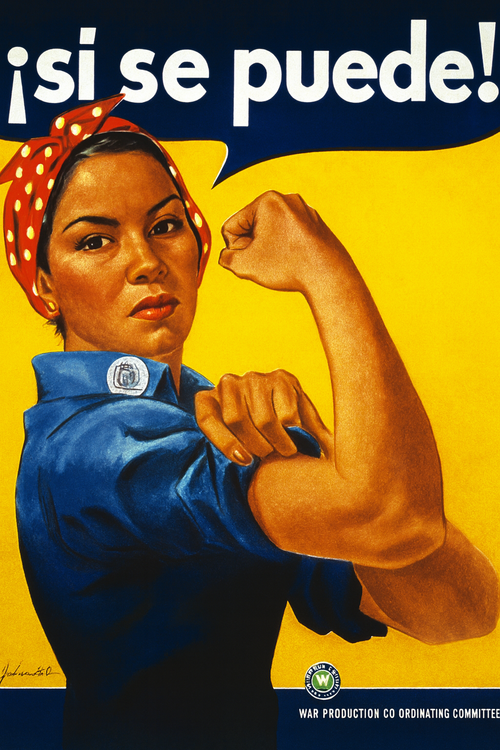
¡Sí, se puede!
I learned that she’d created the iconic slogan of the farmworkers’ movement, ¡Sí, se puede! (Yes We Can), which has gained a life if its own and been adopted by many activist groups over the decades. As a guy who’s written many taglines over the years, it doesn’t get more simple, powerful, and enduring than that.
I read about how she’d been beaten by the San Francisco Police at a peaceful public protest against the George W. Bush administration, suffering broken ribs and a ruptured spleen. She received a large financial settlement from the police commission and paved the way for changes in the way the San Francisco Police control crowds.
And I discovered the long-standing works of her Dolores Huerta Foundation, which empowers marginalized communities through grassroots organizing, civic engagement, and education initiatives. Dolores was actively engaged with the Foundation until the end of her life.
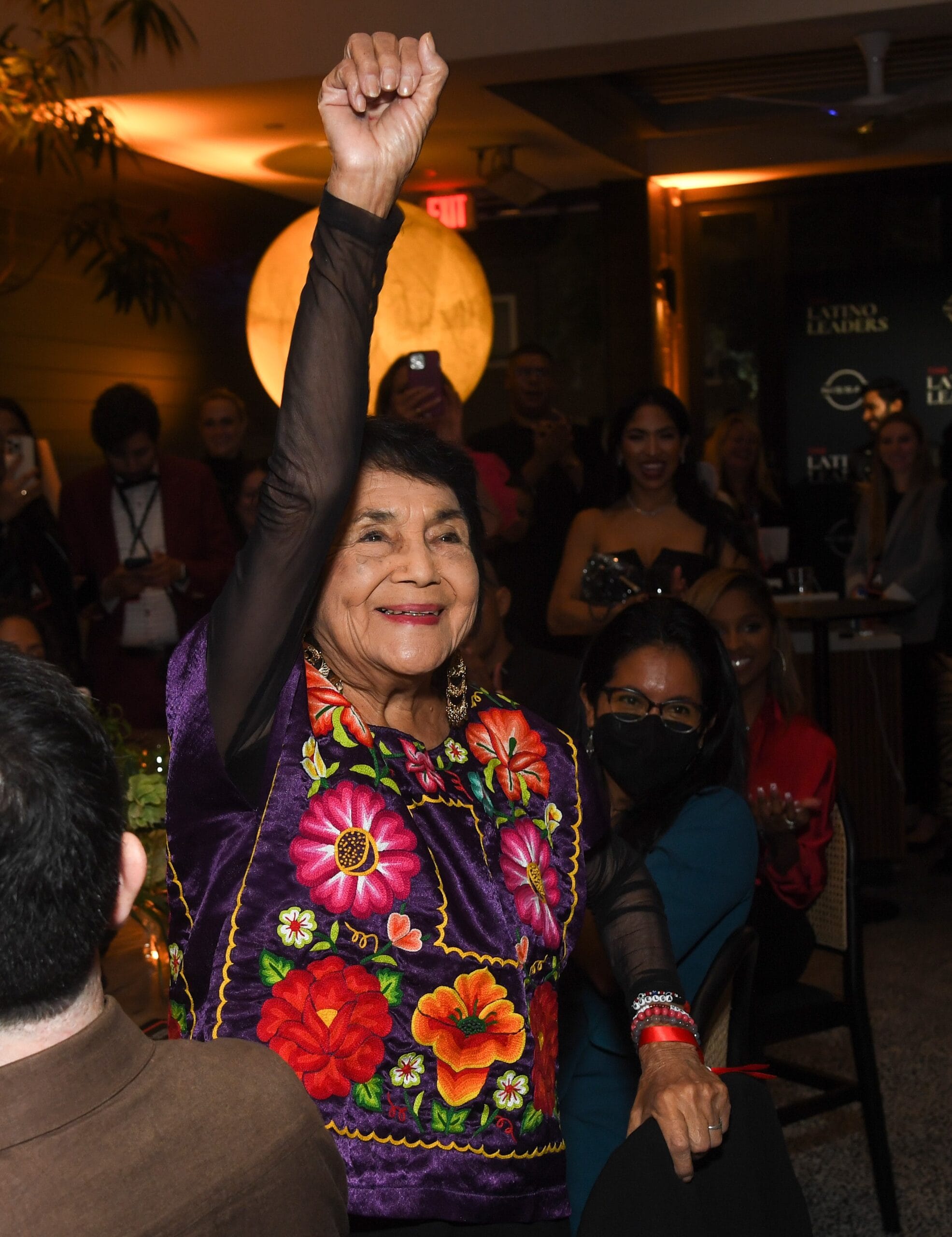
Oh, and there’s so much more. So if you didn't click that first link to her obituary, do yourself a favor and give it a read here.
While her name wasn’t chosen for the park, I became determined that her life needed to be celebrated here in Boise in some physical way and decided to add her mural to Inspiration Alley, both as a signpost for those who revere her and as an introduction to those of us who didn’t.
Because of my ignorance, a beautiful piece of public art was born: Classic Dolores, bullhorn in hand, leading a protest.
With much admiration and respect, Dolores – you changed the world. ¡Sí, se puede!
Godspeed, friends.
Russ
P.S. Earlier this year, two women came forth and said that Cesar Chavez had sexually abused and raped them; Dolores added to their allegations, saying that she, too, had been raped by Chavez and given birth to two of his children. While pregnant, she dressed in loose-fitting clothes to hide the pregnancies, and upon birth the two children were reared by others, as Dolores was afraid the revelations of these pregnancies could damage the farm workers’ movement.