Good Gravy! A Word Nerd's Alternative "Best Of" List

Well, it’s that time of year when the “best of” lists start cranking out all sorts of content. Since I’m a bit of a word nerd, and as the Oxford Word of the Year has just been announced (Rage bait), I thought I’d share a few of my own candidates, if not for word of the year, then just as fascinating words and phrases that that could constitute their own “best of” list.
(Side note: I work with Jeff Hancock of the Stanford Social Media Lab and his coining of the term “workslop” made the long list for this year’s Oxford finalists. Way to get sloppy with your work, Jeff! 😉)
So, here you go, and no need to worry, as there won’t be a vocab test at the end – you can just enjoy these collections of letters holding hands as words that symbolize so much more.
Decimate. Okay, are you like me and didn’t have a clue that this means to “reduce by a tenth”? Makes complete sense, though I’ve forever been misusing it, such as, “They decimated their competition.” Well, I guess that could happen, especially if you go back in history to learn its original meaning.
Good gravy. You might have to be as old as I am to remember those who used this idiom, but what’s not to love about it? A strong visual, alliteration, and recalls great, no, good memories. Used as an exclamation to express excitement or surprise, let’s bring it back into our everyday vernacular.
Enshittification. I bow down to Canadian writer Cory Doctorow for coining this one, which means a decline in quality and experience delivered over time by online platforms (though probably works for a lot of offline platforms in our daily experience as well.) If you’d ready to enshittify your ears (and day), you can listen to Doctorow talk about how the internet got enshittified (and what we can do about it) on this episode of the Verge podcast.
Caudillo. I came across this word recently and couldn’t quite come up with its meaning, though I knew I’d run into it before. In long ago Spanish language classes? In college literature courses? Hmm. I had to look it up and immediately thought, “Ah yes, and so relevant right now.” Curious about its meaning?
Tonic immobility. My experience with tonic runs to the gin side of things which, when I was younger, could occasionally make me immobile. But that’s not what we’re talking about here, another phrase completely unknown to me that surfaced in my readings lately. A story in the New York Times about how Killer Whales take down Great White Sharks piqued my curiosity about this natural state of paralysis. You can learn more about how it works in sharks, chickens, trout, snakes – and humans – here.
Majuscule. This one’s for all the type geeks out there. And for those who like to overemphasize on a regular basis. Majuscule refers to large or capital letters. Does that mean when someone posting in all-caps on social media is majusculing us?
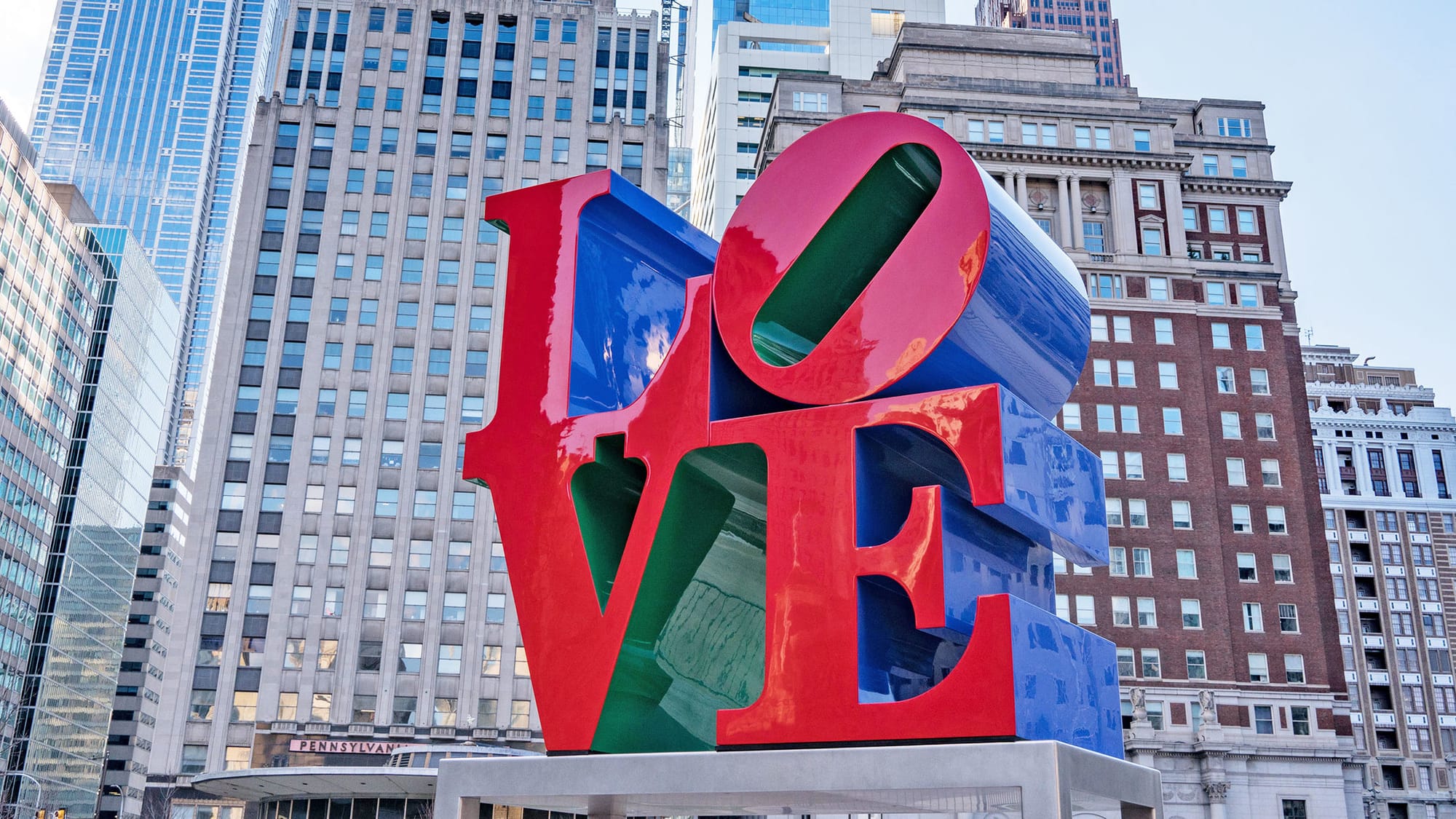
Pell-Mell and Argle-Bargle. Throwing these in just because they are so much fun to say. (Sidenote: If onomatopoeia describes a word associated with a sound – is there a word to describe words that are fun to say? 🤨) Pell-mell describes the condition of my desktop, while argle-bargle stands for copious or meaningless talk or writing (haven’t we all been in that meeting at work?). If you’d really like to get wonky, check out this story on Supreme Court Justice Antonin Scalia and his use of argle-bargle and other obscure words.
Eudaimonia. Submitted by loyal Godspeed reader Hannah Schaefer, this one’s a bit more philosophy concept than mere word: the condition of human flourishing or of living well. Conceived of by the ancient Greeks, this one seems worthy of goal-setting so let’s do as Jean-Luc Picard would have us: Make it so. (If you'd like to learn more about how Eudaimonic well-being and its counterpart, hedonistic well-being, affect your happiness, here's a fab article from the New York Times.
Petrichor. Yes, yes, yes, I’ve put a spotlight on this word in a long-ago issue. It’s just such a fantastic word that even if I am being redundant, I’m also offering you a chance to conjure up that fresh smell of rain after a long dry spell, especially fragrant here in the land of sagebrush way out west.
Well, that was fun. At least for me.
How about you then? Any awesome words, expressions, or phrases you’d like to share with us?
Godspeed (and good gravy), friends.
Russ
💬 Think About It
"Words are, of course, the most powerful drug used by mankind." Rudyard Kipling
💥 Quick Hits
- Poems have nuclear powers – Turns out, poetry is more powerful than you thought. In fact, it can trick AI into helping you make a nuclear weapon. (Wired)
- Can a manual typewriter save your life? – As a writer and a reader I had to get out the hankie on this one a couple of times. (New York Times gift article)
- The best
wordsbooks of 2025 – I haven't read a single one of the New York Times Top 10 list. A 289-page book about an angel on a WWI battlefield that tells its story in just one sentence? I think I'll start with that.
✍🏼 A Poem For You
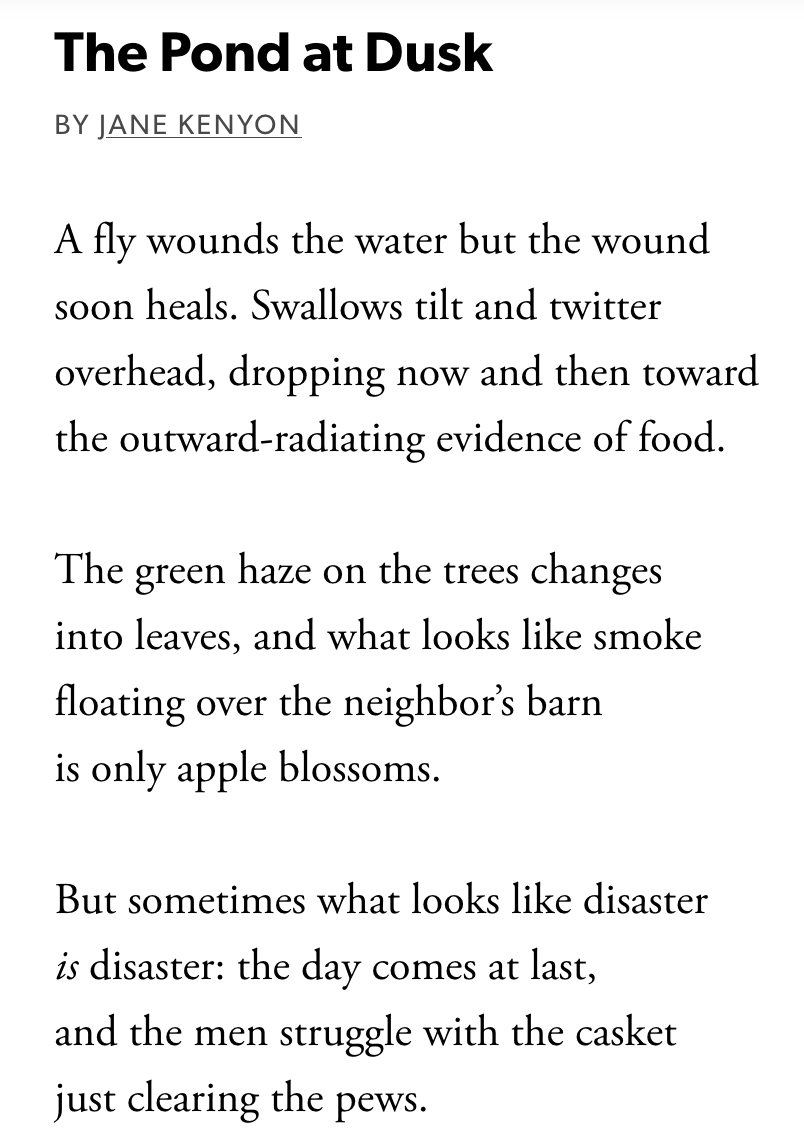
It's time for a poem, people, because whether you're Kipling or AI, the power of poetry is unquestioned. Check out what Jane Kenyon accomplishes in just 72 words.
Thanks for spending a few moments with me. If you enjoy this newsletter, please share it with a friend. Better yet, sign up to support its continued publication! See you next week.